
java games
Tech

Understanding Game Engines Built in Java: What Developers Can Learn

When developers think of game technology, Java may not be the first language that pops into mind. Yet it has powered titles that continue to surprise even seasoned programmers, and these games made with java are the most notable examples. They show how versatile the language can be for interactive environments. Looking closely at these engines uncovers valuable insights about structure, optimization, and scalability.

Why Java Still Matters in Game Development

Java isn’t usually compared with C++ or C# in gaming circles, but it brings its own strengths to the table. Its cross-platform compatibility means games can run on multiple devices without major rewrites. Developers appreciate the stability. In practice, it saves countless hours of testing and patching. A single codebase reaching different platforms is no small feat in development. Another reason Java matters is its strong library support. Open-source communities have created frameworks that handle graphics, physics, and networking. Instead of starting from scratch, developers can integrate these tools directly. That allows more focus on building gameplay instead of low-level mechanics.

Core Features of Java Game Engines

game features

Java-based engines often emphasize simplicity and readability. The object-oriented design makes it easier to handle characters, assets, and interactions. Developers coming from other languages can usually adapt quickly without steep learning curves. This structure keeps projects more manageable as they grow. Performance optimizations are also present in these engines. Garbage collection, while sometimes tricky, can help with memory management when used wisely. The engines teach developers to strike a balance between efficiency and readability. For long-running projects, these lessons are critical.

Lessons Developers Can Take Away

One key takeaway is how to work within constraints. Java isn’t the fastest language, but creative design choices keep engines responsive. Learning to trim unnecessary processes and streamline rendering loops is a habit every developer benefits from. The best projects show that clever coding can often outshine raw power. Another lesson lies in modular design. Engines break down functionality into separate, reusable systems. This modularity encourages clean coding practices that scale well. For developers building large applications, that approach pays dividends down the road.

How Community Support Shapes Java Engines

game community

Many of these engines thrive because of active communities. Forums, GitHub repositories, and tutorials keep them alive and relevant. For new developers, this support system is a goldmine of practical advice. It’s like having an informal classroom built by enthusiasts. The collaborative nature also keeps engines updated. Bugs get fixed quickly, and features improve steadily. By participating, developers gain exposure to real-world coding practices and teamwork. It’s training that no textbook fully delivers.

The Role of Java in Future Development

While newer languages grab headlines, Java still plays a part in shaping modern projects. Mobile gaming, in particular, benefits from its strong Android integration. For developers aiming at wide audiences, that’s an opportunity worth considering. Game engines built with Java may not dominate, but they prove that flexibility and consistency matter. For many developers, these engines are more than tools—they’re classrooms. By studying how they’re structured, coders sharpen their problem-solving and design thinking.…

Read More

youtube views
Tech

Why Your YouTube Videos Aren’t Getting Views in 2025 — A Tech-Savvy Breakdown

You’ve spent hours filming, editing, and uploading your latest YouTube video—but the views just aren’t coming. Sound familiar? If you’re feeling stuck, you’re not alone. YouTube’s algorithm, audience behavior, and platform tools have changed a lot in 2025. What worked last year might not cut it anymore. Luckily, a few smart tweaks can help you figure out what’s going wrong and get your content seen by the people who need to see it.

Here’s a guide on why your YouTube videos aren’t getting the views you want. This also includes what you can do about it.

Your Titles and Thumbnails Aren’t Grabbing Attention

channel

In 2025, competition on YouTube is fiercer than ever, and the first thing users see is your title and thumbnail. If they’re not immediately interesting or relevant, potential viewers will scroll right past. It highlights how many creators are still underestimating the power of a compelling title paired with a scroll-stopping thumbnail—two elements that directly impact click-through rates.

You’re Ignoring the First 15 Seconds

Today’s viewers decide within seconds whether they’ll stick around or move on. If your video doesn’t hook them right away—either through storytelling, visuals, or a clear promise—they’ll click away. Your intro needs to be punchy and intentional. Don’t waste time explaining what the video might be about. Deliver value or intrigue immediately.

Your Upload Schedule Is Inconsistent

content planner

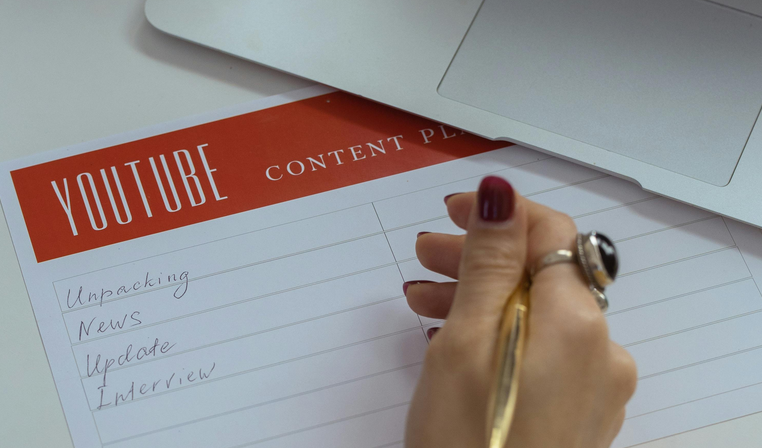
YouTube’s algorithm prioritizes creators who post consistently. If you’re uploading randomly or taking long breaks, your content may not be getting recommended as often. Audiences also tend to lose interest when they can’t predict when your next video is coming. Using tools to automate and schedule your uploads can help you stay consistent without burning out.

You’re Not Optimizing for Search

In 2025, YouTube functions like a massive search engine. If you’re not including relevant keywords in your titles, descriptions, and tags, your videos are less likely to surface in search results. Tools like TubeBuddy or VidIQ can suggest keyword phrases based on trending searches. Optimizing this way helps you align your content with what your target audience is looking for.

You’re Missing Out on Community Engagement

community dashboard

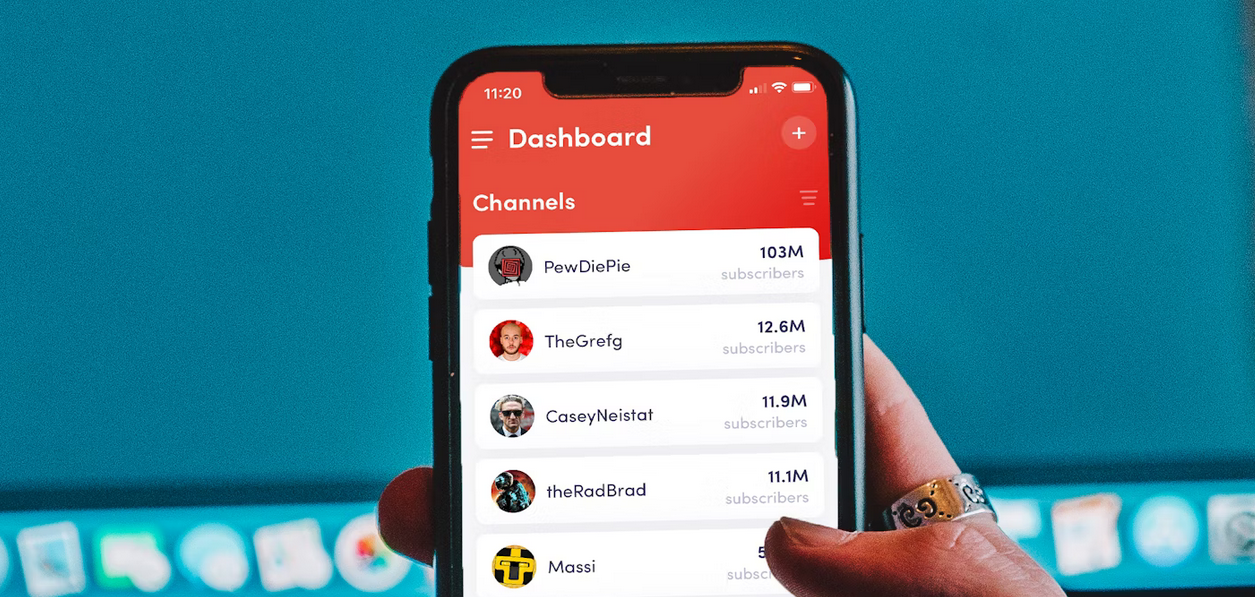
In 2025, YouTube isn’t just about uploading videos—it’s also about building a community. Ignoring comments, skipping community posts, or not encouraging subscribers to interact can hurt your growth. The more your audience engages with your content, the more YouTube sees it as valuable. A little interaction goes a long way—automated comment moderation tools can help you stay active even when you’re short on time.

You Haven’t Built a Strong Viewer Retention Strategy

Even if you manage to get clicks, views won’t mean much if people aren’t watching your video through to the end. YouTube prioritizes videos with high retention and watch time. To improve, try structuring your content to keep things moving—add pattern interrupts, ask questions, or tease upcoming segments. Your job is to hold attention from beginning to end.

Getting views on YouTube in 2025 isn’t just about uploading more—it’s about being smarter with how you present, promote, and engage with your content. From tightening up your titles and thumbnails to committing to consistency and understanding the algorithm, small changes can lead to big improvements. You’ve got the content—now it’s time to make sure it gets the attention it deserves.…

Read More
phone
Tech

Getting Seen Fast on TikTok Isn’t a Fluke—It’s a Tech-Savvy Formula

TikTok isn’t just about luck anymore. Today, creators are getting smarter with strategy. The difference between someone with ten views and ten thousand? Timing, consistency, and yes, smart boosts. Some tech-savvy creators quietly buy 1,000 TikTok followers to trigger early momentum and beat the dreaded zero-view trap. It’s a calculated shortcut, and for many, it’s working.

Why The First 10 Seconds Make or Break You

Audiences scroll like they’ve got somewhere better to be. You’ve got a blink to hook them. The first 10 seconds decide if your video lives or dies. That means captions need punch. Visuals need contrast. And your energy? It better spike out of the screen. TikTok isn’t a waiting room, it’s speed dating with attention spans.

How Algorithms Actually Treat Small Accounts

Let’s be honest, starting from scratch is brutal. TikTok’s algorithm doesn’t throw pity parties. If your early posts don’t perform, your later ones might get buried too. That’s why some creators give their profile a head start. Early numbers signal activity. Activity signals relevance. It’s not cheating—it’s playing the system better than most.

online

The Psychology of Social Proof

Humans are herd animals. If a profile has 30 followers, people assume it’s a ghost town. If it has 1,000? Suddenly it’s “worth checking out.” That’s the magic of social proof. It doesn’t guarantee success, but it definitely cracks the door open. Tech creators use this trick quietly, letting perception do half the heavy lifting.

Why Your Profile Picture Actually Matters

We underestimate visuals. A blurry or irrelevant profile picture turns people off. A clean headshot or a recognizable logo adds authority. Think of your photo as a thumbnail ad. It’s your first impression, even before your content starts playing.

How to Avoid the ‘Too Late’ Post Trap

Posting at midnight or during low-engagement hours is like throwing a party with no invites. Timing your upload for when your audience is awake and scrolling gives it a fighting chance. Combine that with an early engagement push, and the algorithm starts paying attention.

Captions That Stop the Scroll

TikTok captions aren’t just fluff. They’re part of your hook. A sharp line, curious, funny, or controversial, can hold attention just long enough for the rest of the content to land. Try posing a question or dropping a bold statement that demands watching to the end.

Avoiding the Dead Zone: Timing and Boosts

Post at the wrong time, and your video disappears into a void. Post at the right time, with some boosted engagement, and suddenly you’re not just shouting into the wind. You’re getting traction. Even TikTok insiders admit: that those first few minutes can snowball fast. Getting an initial spike, even through unconventional methods, keeps your post afloat.

online

Final Take

Growing on TikTok isn’t just about talent anymore. It’s strategy, volume, and well-timed hacks. If getting eyeballs early helps your best content shine, why wait for organic luck? You don’t need to game the system, you just need to understand how it actually works. And sometimes, the smartest move is the one everyone else is whispering about.…

Read More
likes
Tech

Buying Instagram Likes: Does It Really Boost Visibility in 2025’s Tech Landscape?

Instagram has changed a lot over the years, and in 2025, it’s more complex than ever. What once worked for quick exposure may now lead to mixed results or even setbacks. One tactic that refuses to go away is buying likes. It promises fast attention, better reach, and a stronger impression on visitors. Many users still search for where to buy Instagram likes, hoping to find a reliable source that offers quick boosts without long-term risks. But does it actually help in today’s tech-driven, algorithm-heavy environment? To answer that, we need to look at how visibility is measured now, how Instagram’s system handles purchased engagement, and whether this strategy fits into the current digital landscape.

What Visibility Means in 2025

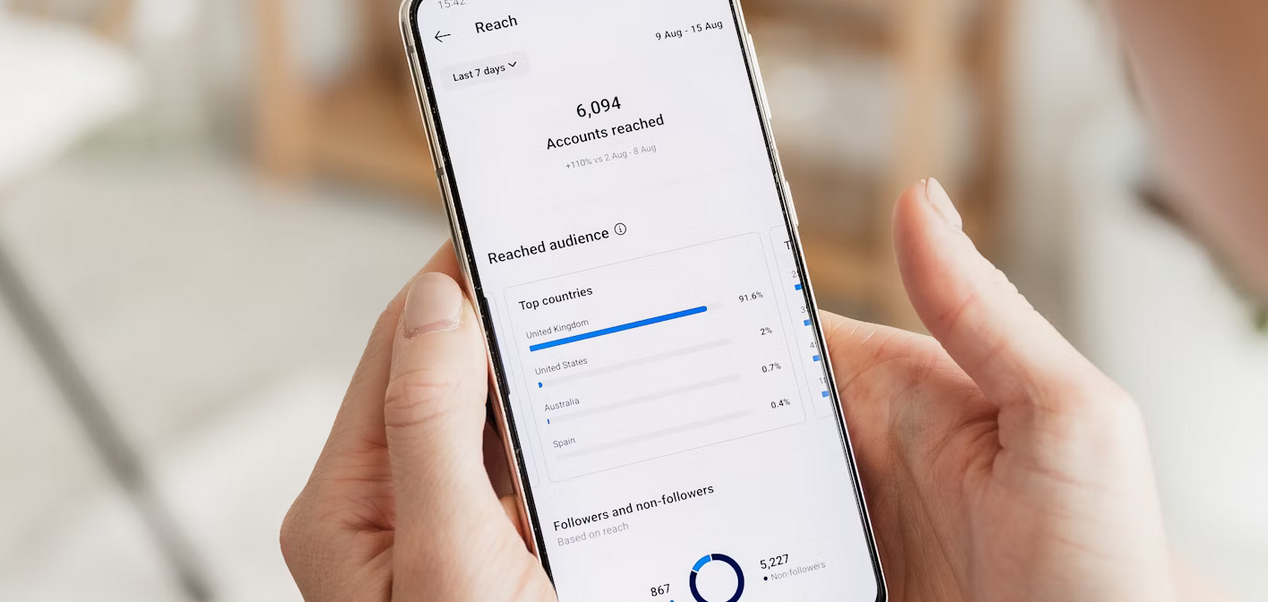
Visibility isn’t just about likes. Instagram’s algorithm in 2025 evaluates many signals to decide which content deserves reach. It looks at time spent on a post, saves, shares, and meaningful comments. A high number of likes alone won’t carry much weight if the rest of the engagement feels hollow. Instagram is also pushing Reels, Stories, and in-app shopping. That means static image posts with inflated like counts won’t necessarily earn more space on people’s feeds. Content needs to keep people engaged, not just momentarily clicked.

How Instagram Detects Inauthentic Activity

visibility

Instagram uses advanced detection systems powered by machine learning. These systems study behavior patterns how fast likes arrive, which accounts they come from, and whether those accounts show signs of genuine activity. If thousands of likes flood in from low-quality sources, the platform flags it. In many cases, the algorithm adjusts by reducing your content’s reach. That means even with more likes on the surface, fewer people may see your post. In extreme cases, accounts are shadowbanned or restricted, especially if patterns continue over time. This system ensures that content quality not artificial numbers is what drives performance.

Short-Term vs. Long-Term Gains

Buying likes may create a quick spike in numbers, but that bump is often misleading. The visibility boost rarely lasts beyond the post in question. The algorithm learns from long-term patterns, not one-off signals. If your account doesn’t continue generating real engagement, future posts may suffer. Worse, your metrics get skewed. It becomes harder to tell what actually connects with your audience. That makes planning content, setting goals, and targeting the right users more difficult. Growth becomes less about strategy and more about guesswork.

Influence and Social Proof

account growth

There’s still an argument to be made for social proof. A post with a high like count may look more trustworthy or popular to someone scrolling quickly. In the right context, this could encourage more people to interact, follow, or explore your account. However, this effect depends on timing and execution. If your followers don’t match your engagement, people will notice. Brands looking to partner with creators in 2025 rely on engagement ratios, not just top-line metrics. A profile with 10,000 likes per post but no comments or shares is an immediate red flag. That means social proof, while still valuable, must be supported by real interaction to hold weight.

Platform Trust and Account Health

Every Instagram account has a performance history tied to it. This invisible record affects how your content is ranked and delivered. Buying likes can harm that history. When the platform sees repeated use of fake engagement, it treats the account as low quality. Once that trust is lost, it’s hard to regain. Even great content may struggle to surface. In that sense, the cost of buying likes isn’t just financial it may require months of rebuilding your reputation within the algorithm. In 2025, Instagram favors consistency and relevance. Trust plays a big role in how accounts grow and maintain visibility.

If visibility is your goal, there are safer and more effective ways to earn it. Paid promotions within Instagram’s own ad system allow precise targeting without violating policies. These ads are fully supported by the platform and often result in higher retention and engagement. Creating content tailored to your audience’s interests also pays off. Posts that ask questions, solve problems, or tell stories tend to perform better. Real people interact with content that speaks to them. That interaction fuels organic reach in a way that bought likes never can. Automation tools powered by AI can also help. They offer analytics and posting recommendations based on user data. These tech-driven insights give creators a clear edge without resorting to shortcuts.…

Read More
laptop
Tech

Instagram Compression Demystified: Strategies to Keep Your Photos Crisp and Clear

In a world where visuals reign supreme, your Instagram feed is your canvas—an opportunity to showcase stunning photography, artistic flair, and unforgettable moments. But what happens when those vibrant colors and intricate details get lost in the abyss of compression? If you’ve ever uploaded a breathtaking sunset or an intricate food shot only to find it looking more like a pixelated puzzle than the masterpiece you envisioned, you’re not alone.

Welcome to “Instagram Compression Demystified: Strategies to Keep Your Photos Crisp and Clear,” where we’ll unravel the mysteries behind Instagram’s photo compression process. Get ready to arm yourself with expert tips and tricks that will ensure your images shine as brightly on screen as they do in real life. Say goodbye to blurry uploads and hello to eye-catching clarity—let’s dive in.

What’s Going On

Instagram compresses every photo and video you upload. Why? To save on data, speed up loading times, and make the platform run smoother for everyone. Makes sense… but it comes at a price. Your high-res masterpiece gets resized, reprocessed, and stripped of some quality so it’s easier to display across devices. That’s great for Insta’s servers—but not so great for your photo’s vibe. So yeah, that’s why your crisp landscape shot suddenly looks like a screenshot from 2010.

Resize Before You Upload

One of the easiest ways to keep your photo quality intact is to resize it before you upload. If you let Instagram do the resizing, you’re giving the algorithm more room to mess things up. Stick to 1080 pixels wide, and if you’re uploading a portrait photo, keep it around 1350 pixels tall. That’s the sweet spot Instagram likes.This way, you keep control of how your image looks and avoid any unnecessary compression surprises. With top sites to buy ig likes offering services, you can get engagement that works to make your content more popular and increase the chance of appearing on the Explore page.

laptop

Compression 101: The Ugly Truth

When you upload to Instagram, your image goes through a few not-so-pretty changes. First, the resolution gets capped. Instagram limits images to 1080 pixels wide, so if your photo is bigger than that, it’ll get downsized automatically. Then there’s the file format thing. Instagram loves JPEGs. If you upload a PNG or anything fancy like a HEIC from your iPhone, it’s going to get auto-converted, and that can sometimes mess with the colors or clarity. And finally, if your photo is already heavily edited or sharpened, Instagram’s compression just makes it worse. Over-processed photos get extra pixelated, and suddenly that artsy vibe you were going for just looks… crunchy.

Edit Smart

Look, we all love a good filter or some lightroom magic. But when it comes to editing for Instagram, subtle is better. Go too hard on the sharpening, contrast, or noise reduction, and Instagram will double down on it during compression—and not in a good way. Try to keep your edits clean and minimal. Think of it like this: you’re enhancing the original vibe of your photo, not completely transforming it. Save your final image at around 75–85% quality to keep it light but still looking solid.

Use the Right Color Profile

Here’s a slightly nerdy but super important one: always export your images in the sRGB color profile. Instagram’s platform is built to handle sRGB, and using any other color space can make your photos look flat, washed out, or just weird. If you’ve ever uploaded a vibrant photo and noticed it suddenly looks dull, this is probably why. Instagram compression is annoying, yes—but it’s not unbeatable. With a few small tweaks before you post, you can keep your photos looking as fresh and crisp as they were when you hit export. Resize smart, edit with care, and don’t forget that color profile. Your followers (and your inner perfectionist) will thank you.…

Read More