
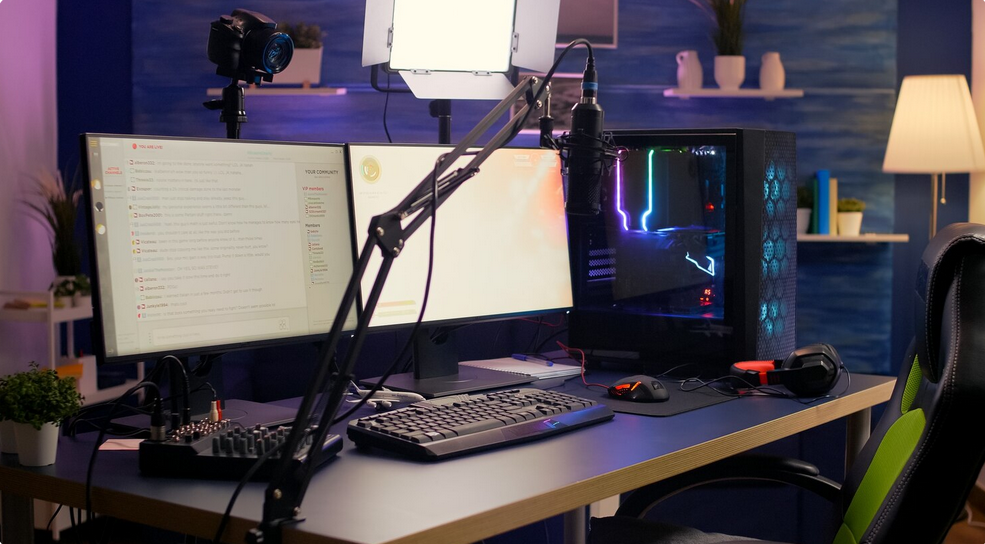
Mistakes That Reduce Efficiency When Using Multiple Monitors
Multi-monitor setups are widely embraced by professionals, designers, and content creators to increase productivity and streamline digital workflows. However, simply adding more screens does not automatically improve efficiency. Poor arrangement, inconsistent usage habits, or unoptimized software can undermine the potential benefits of multiple displays. Many users underestimate the importance of organized workflows and compatible tools, resulting in confusion and time loss. Creative professionals who work with design and media applications can also face challenges managing multiple windows effectively. Tools like the phonto app help streamline content creation, but without proper monitor setup and workflow strategies, even the most powerful applications cannot fully enhance output. Avoiding common mistakes is essential for leveraging multi-screen advantages.
Poor Monitor Placement and Ergonomics
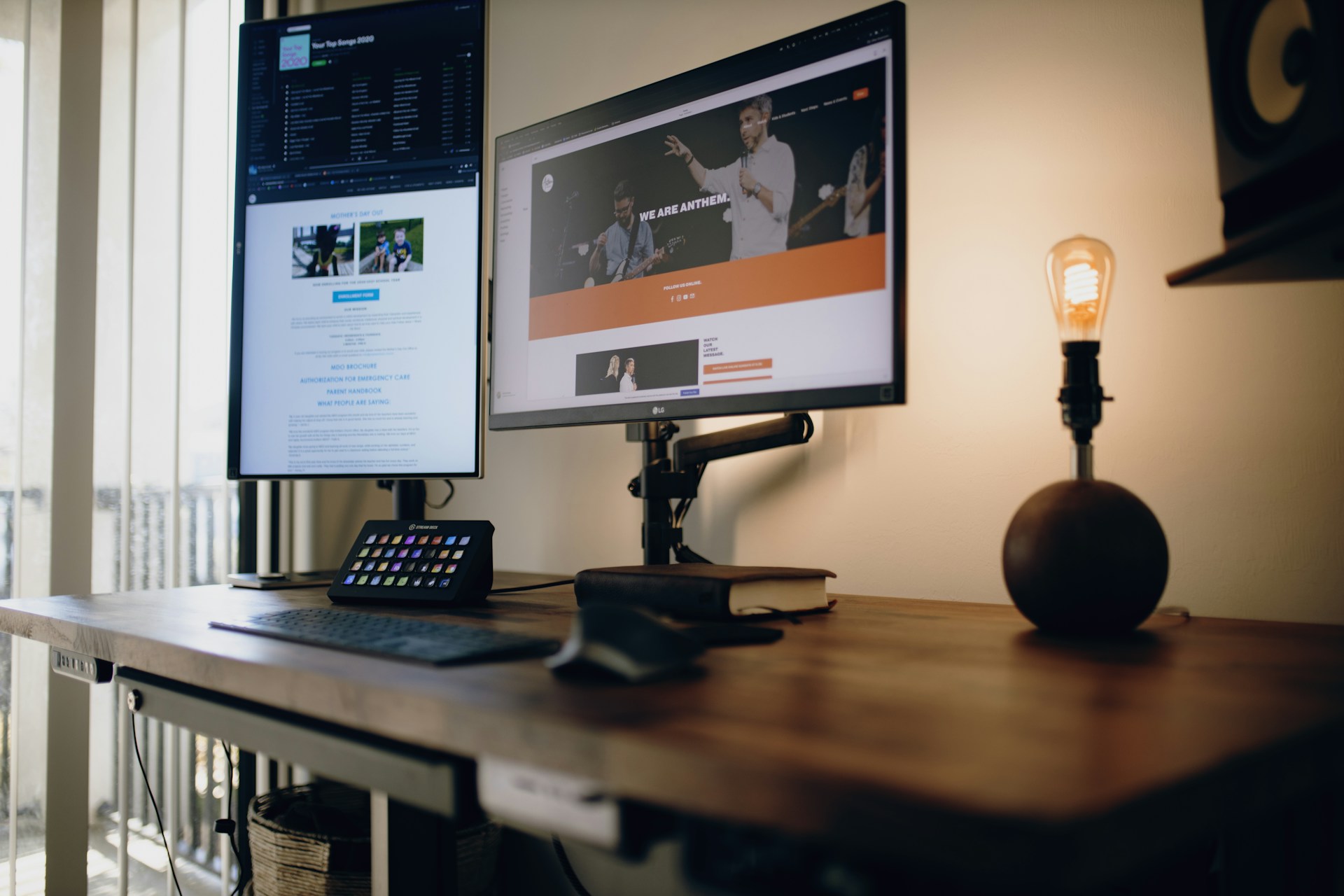
One of the most common errors is incorrect monitor placement. Screens that are too high, too low, or positioned at awkward angles can cause eye strain, neck pain, and discomfort over extended periods. Even slight misalignment between displays can lead to frequent head or body movement, reducing overall efficiency. For maximum productivity, monitors should be aligned at eye level with minimal tilt, and the primary display should be directly in front of the user. Additional screens should follow a natural arc to minimize physical effort while transitioning between them. Proper placement also improves focus, as the user can easily locate windows and tools without unnecessary movement, supporting a smoother workflow.
Disorganized Desktop and Window Management
Multiple monitors can become chaotic without careful window and desktop organization. Users often leave overlapping applications or randomly position frequently used programs, which slows navigation and increases cognitive load. Workflow efficiency suffers when users must search for open windows or repeatedly resize and move applications. Implementing a systematic approach, such as keeping the primary display for active tasks and secondary monitors for reference materials, improves productivity. Tools like virtual desktops, snap functions, and taskbars tailored for multi-screen setups can further enhance organization. Proper file management and consistent placement of applications reduce friction and make it easier to work across several screens seamlessly.
Ignoring Software Optimization and Compatibility
Another mistake is neglecting software settings or failing to use programs that support multi-monitor functionality. Some applications do not automatically scale correctly across multiple displays, resulting in distorted visuals or inaccessible toolbars. Content creators working with design software may experience lag, color inconsistencies, or alignment issues if applications are not configured for multi-screen use. Ensuring that software is updated, graphics drivers are current, and monitor settings are compatible with all tools is crucial. Additionally, apps designed for creative work, like the phonto app, often offer features optimized for desktop use, but their potential is limited without properly configured hardware and settings. Taking time to optimize software ensures a smoother and more efficient workflow.
Overloading Monitors With Too Many Tasks
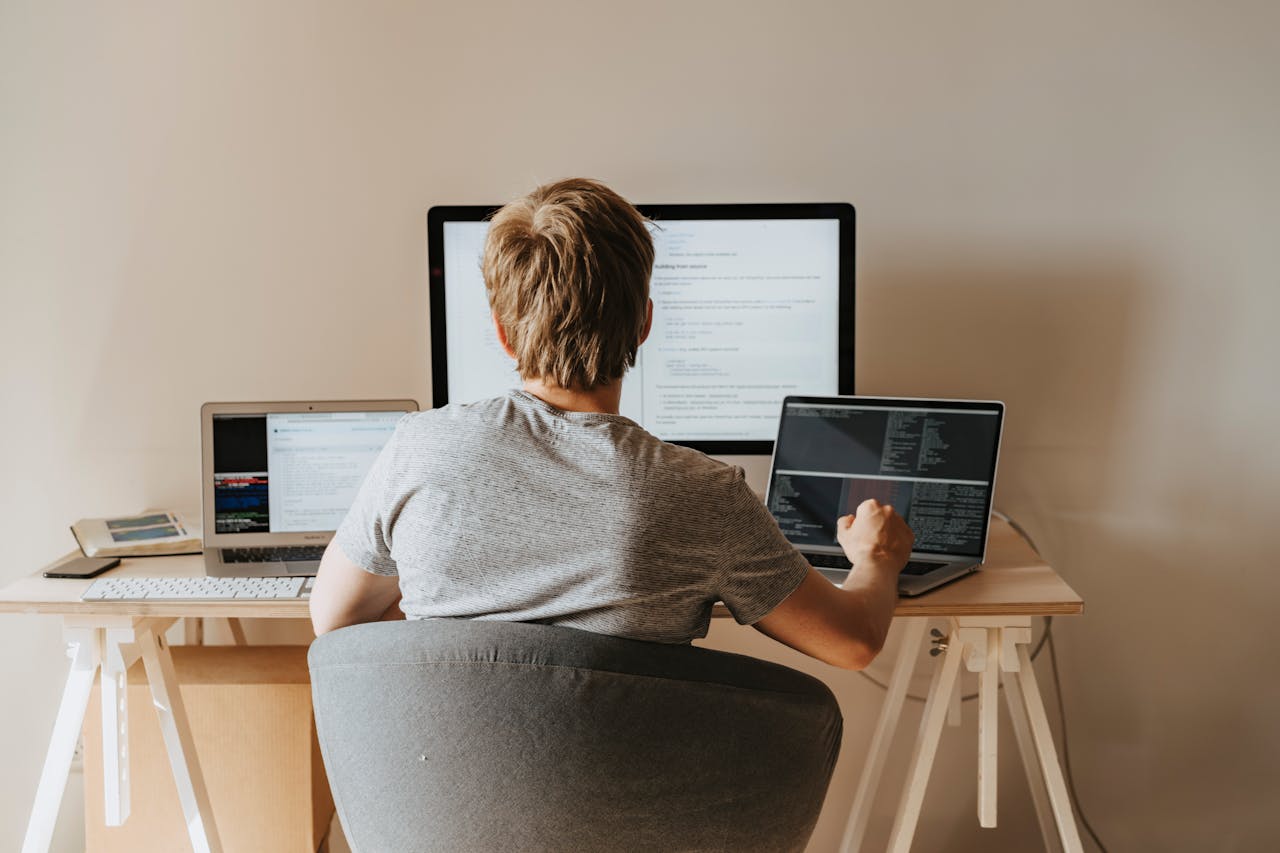
A frequent pitfall is attempting to multitask excessively across multiple screens. While the temptation to open numerous applications and browser tabs simultaneously is strong, overloading displays can reduce focus and slow decision-making. Users may feel productive but actually experience diminished efficiency due to constant context switching. Limiting active applications per screen and grouping related tasks helps maintain concentration and reduces mental fatigue. Establishing a workflow where one monitor handles creative or primary work while others provide supporting references, communication, or research improves task management. Clear boundaries between activities prevent distractions and ensure that multiple monitors enhance productivity rather than complicate it.
Multi-monitor setups can significantly boost productivity, but efficiency gains depend on avoiding common errors. Poor monitor placement, disorganized window management, unoptimized software, and overloading screens with tasks all undermine potential benefits. By arranging monitors ergonomically, managing desktops systematically, ensuring software compatibility, and limiting active tasks per display, users can maximize output and reduce fatigue. A thoughtful approach to multi-screen use transforms what could be a chaotic environment into a streamlined workspace, allowing professionals to complete tasks faster, maintain focus, and enjoy a smoother digital experience.…
Read More